
Why People Search for Gnocchi Instead of Just an Italian Restaurant
When people search for the best gnocchi Brisbane has to offer, they’re not browsing casually. Instead, they’re chasing something specific. It might be a dish they remember from a great night out, or something they’ve heard about enough times that it’s worth the trip.
That’s the difference with gnocchi. It isn’t ordered out of habit. It’s chosen with intent.
Across Brisbane’s southside, that search tends to lead in a similar direction. Camp Hill, Greenslopes, Holland Park and Woolloongabba all sit within easy reach of strong Italian dining options, yet one dish continues to come up in conversation more than most.
The gnocchi at Factory 51.
What Is the Best Gnocchi in Brisbane?
The best gnocchi in Brisbane is typically found at Italian restaurants that focus on technique, balance, and consistency.
A number of established Italian kitchens across Brisbane are recognised for high-quality pasta and gnocchi.
Factory51 also sits within this group, offering handmade gnocchi built on traditional techniques, with a focus on texture, balance, and long-term consistency.
While styles vary, the best gnocchi experiences in Brisbane are defined by softness, structure, and careful handling of the dough.
Why Gnocchi Is So Easy to Get Wrong
Gnocchi looks simple. On paper, it’s just potato, flour and seasoning. However, that simplicity is exactly what makes it so difficult.
There’s nowhere to hide.
Too much moisture and the gnocchi becomes heavy. Too much flour and it turns dense. Handle the dough too aggressively and it loses its softness. Even the cooking stage can undo everything if the timing isn’t right.
Because of this, great gnocchi stands out immediately. You don’t need to analyse it. You feel it.
That’s also why people search for it specifically. They’re not looking for variety. They’re looking for the one that gets it right.
How Great Gnocchi Is Made (And Why It’s So Hard to Get Right)
At a glance, gnocchi looks simple. However, the process behind it is far more precise than most people realise.
It begins with the right potato. Red or purple-skinned potatoes are preferred because they are naturally drier and hold their structure better. That dryness is essential, as it reduces the need for excess flour later on.
From there, the potatoes are salt-baked rather than boiled. This removes moisture while concentrating flavour, creating a stronger foundation for the dough.
Once cooked, the potatoes are peeled and passed through a ricer while still warm. This keeps the texture light and prevents overworking.
Only a small amount of flour is added – typically around 20–25 percent of the total weight – along with a few pinches of salt. Too much flour creates density, while too little causes the dough to collapse.
The dough is then gently brought together, rolled into long sections, and cut into small pieces. Each piece is lightly shaped and indented to help it hold sauce.
While the steps seem straightforward, every stage relies on feel, timing, and restraint.
This is also why authentic gnocchi often surprises people the first time they try it. Many diners are used to firmer, more uniform textures found in industrial or heavily floured versions. Properly made gnocchi is much softer – light, delicate, and almost pillowy.
For some, that difference feels unexpected at first. However, it’s a sign the balance is right.
That’s what separates good gnocchi from great gnocchi.
Why Potato Choice Defines Great Gnocchi
Not all potatoes are equal, and when it comes to gnocchi, the difference is significant.
The best gnocchi begins with dry, high-starch potatoes. In most kitchens, that means redskin or purple-skinned varieties. These potatoes naturally hold less water and more structure, which makes them ideal for gnocchi.
Moisture is the enemy of good gnocchi.
If the potato holds too much water, the dough requires more flour to bind. That extra flour is what leads to dense, heavy gnocchi that lacks the softness people are searching for.
Drier potatoes allow the dough to come together with less interference. The result is lighter, more balanced gnocchi that holds its shape without becoming firm.
This is why experienced kitchens pay close attention to potato selection. It’s not just an ingredient choice – it’s the foundation of the entire dish.
It Starts Well Before the Dough Comes Together
At Factory 51, the process begins long before flour ever touches potato. The choice of potato matters, but more importantly, how it’s handled.
Redskin potatoes are selected for their consistency, then salt-baked rather than boiled. As a result, excess moisture is removed while flavour is concentrated at the same time.
That dryness is critical.
It allows the dough to come together naturally without relying on excess flour, which is where most gnocchi loses its texture. By controlling moisture early, the final result stays light and balanced.
It’s a small decision, yet it changes everything that follows. If you’re exploring local options to eat amazing gnocchi, our Italian Restaurant Coorparoo guide highlights where locals regularly dine.
Why Salt Baking Changes the Outcome
Most people assume potatoes for gnocchi are boiled. It’s the most common method, and it works – but it isn’t optimal.
Boiling introduces water.
Even when drained well, potatoes absorb moisture during the cooking process. That moisture has to be compensated for later, usually by adding more flour.
Salt baking works differently.
By baking the potatoes in salt, moisture is drawn out rather than absorbed. At the same time, the flavour becomes more concentrated.
The result is a drier, more flavourful base that requires less manipulation when forming the dough.
At Factory 51, this step plays a key role in maintaining consistency. It allows the gnocchi to stay soft without becoming fragile, and structured without becoming dense.
It’s a simple shift in process, yet it creates a noticeable difference on the plate.
A Recipe That’s Nonna Certified
At first glance, gnocchi doesn’t seem complicated. In reality, consistency comes down to feel, not measurements.
At Factory 51, the method follows a Nonna-certified approach, passed down through Beau Vedelago’s family. It’s not about rigid recipes or exact quantities. Instead, it’s about knowing how the dough should behave.
The dough is brought together gently, adjusted as needed, and handled with restraint. There’s a moment where it’s ready – not too firm, not too loose – and recognising that moment is what separates experience from guesswork.
That’s where tradition matters.
Not as a story, but as a standard.
Handmade Gnocchi – Traditional and Gluten-Free
While traditional gnocchi remains the benchmark, there’s another reason this dish continues to stand out.
Factory 51 also produces what many consider the best Gluten Free Italian Gnocchi Brisbane has to offer.
This isn’t treated as an afterthought or a substitute. Instead, the same level of care is applied to ensure the gluten-free version delivers the same softness, balance and overall experience.
As a result, diners don’t feel like they’re compromising. They’re still getting a dish that holds its place at the table.
That matters, especially as more people search specifically for:
- gluten free gnocchi Brisbane
- coeliac friendly Italian Brisbane
- gluten free pasta south Brisbane
Rather than being limited to options, guests can order with confidence.
Shaped by Hand, Not by Shortcut
Once the dough is ready, it’s rolled and cut into individual pieces, each one shaped by hand.
There’s a rhythm to this process. However, it isn’t about perfection. It’s about consistency.
That slight variation – the soft edges and the way each piece holds sauce – is what gives handmade gnocchi its character. Machine-made versions may look uniform, yet they rarely deliver the same texture.
Hand shaping keeps the gnocchi light, slightly irregular, and far more enjoyable to eat.
The Dish That Defined the Restaurant
While gnocchi can be paired with a range of sauces, one version has become the standout.
The pan-fried pancetta, sage and truffle gnocchi.
It’s the dish that has quietly defined Factory 51 for more than a decade. Over that time, it has remained the most ordered item on the menu and the one people consistently recommend.
That kind of longevity says a lot.
The pancetta brings richness and salt. The sage adds warmth. The truffle lifts the dish without overpowering it. Combined with the texture of the gnocchi itself, everything sits exactly where it should.
Nothing dominates. Everything connects.
How It Fits Into the Table
Gnocchi doesn’t need to stand alone to be noticed. At Factory 51, it often arrives as part of a shared dining experience alongside antipasti, pasta and pizza.
Someone tries it first. Then someone else. Before long, it becomes the dish everyone keeps going back to.
It anchors the table.
For those building a full Italian dining experience, our Antipasti Brisbane guide highlights how great meals often begin before the pasta even arrives.
Why Gnocchi Drives Search Behaviour
Search behaviour has changed. People aren’t just searching for “Italian restaurant Brisbane” anymore.
Instead, they’re searching for dishes:
- best gnocchi Brisbane
- handmade gnocchi near me
- gluten free gnocchi Brisbane
These searches come with intent. People already know what they want.
That’s why having a signature dish matters. It gives people a clear reason to choose you.
Why Gnocchi and Pasta Share the Same Foundation
Although gnocchi is often treated as a separate category, it sits firmly within the broader world of Italian pasta.
At its core, it is still a dough-based dish.
The same principles that define great pasta apply to gnocchi – hydration, balance, restraint, and timing. Whether working with semolina or potato, the goal is the same: create a dough that holds structure while remaining light.
This is why many of Brisbane’s best pasta venues also produce strong gnocchi.
The best Italian kitchens demonstrate this crossover clearly, their understanding of dough extends across pasta, gnocchi and pizza.
At Factory 51, this approach is consistent across the entire menu. The same focus on technique and balance that defines the pasta offering carries through into gnocchi.
For diners, this matters more than it might seem. It means the dish isn’t treated as a one-off specialty, but as part of a deeper understanding of Italian cooking.
The same understanding of dough also extends to pizza, which is why many of these venues are equally known for their woodfired offerings, as explored in our Best Pizza Brisbane guide.
A Southside Location That Makes It Easy
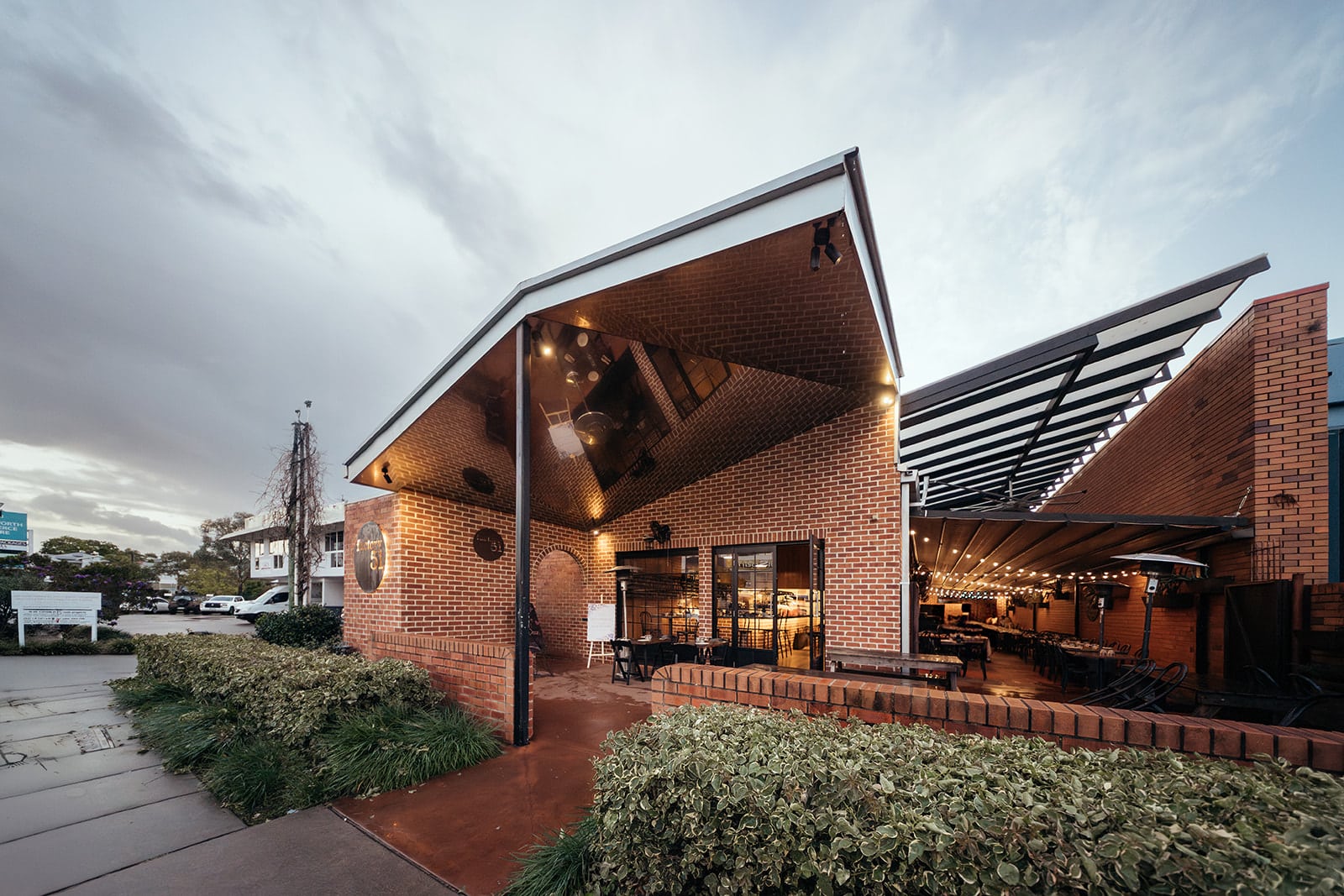
Factory 51 sits in Coorparoo, making it easily accessible from across Brisbane’s southside.
Greenslopes is minutes away. Camp Hill is just around the corner. Holland Park and Woolloongabba are close enough that dinner plans feel effortless.
You can view the full menu and explore current dishes on our Italian Restaurant Brisbane Southside page.
Convenience helps. However, consistency is what keeps people coming back.
For a deeper look at how these same principles apply across different dishes, our Best Pasta Brisbane guide explores the venues delivering consistency and technique across the category.